Staff/principal designer
Design where product
meets engineering
I work where design, engineering and product meet, on problems no single team owns.
My leverage comes from judgment, not headcount. I set standards, build the structures that let other people do good work, and get teams to adopt them because they’re useful, not because they were told to. I stay hands-on, in Figma and in code.
AI makes this matter more. When execution gets cheap, deciding what to build and why is the job, and well-structured foundations tell both teams and tools what good looks like. I’m looking for staff or principal roles where that is the work.
Teams I've worked with








work
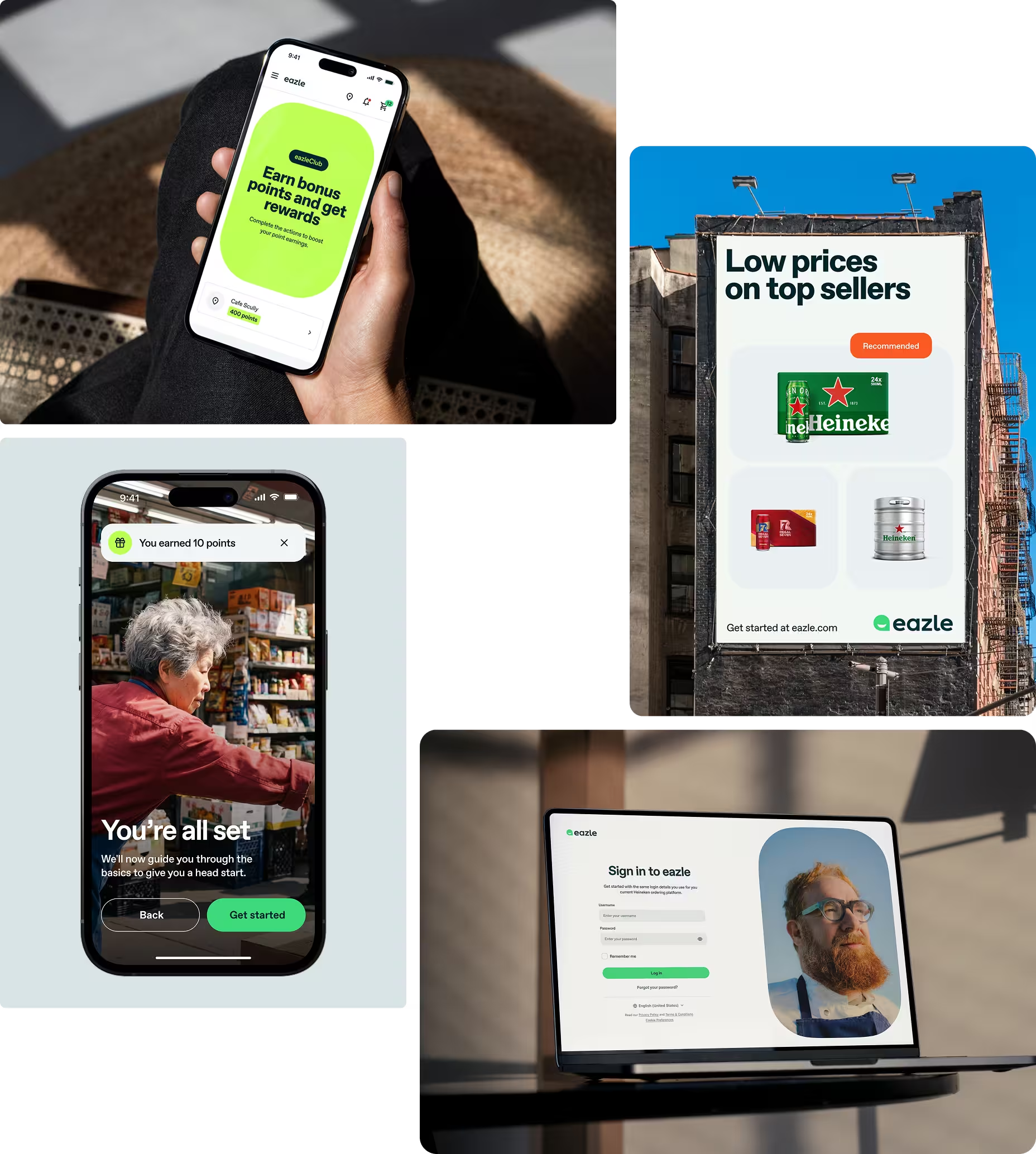
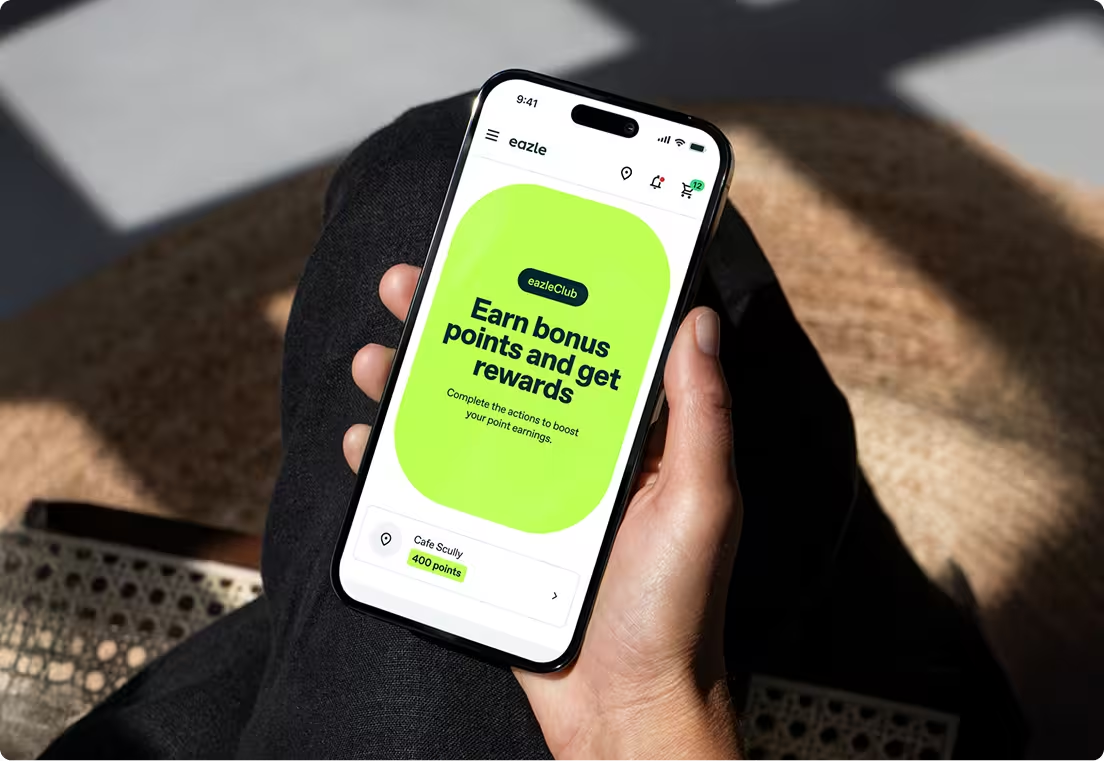
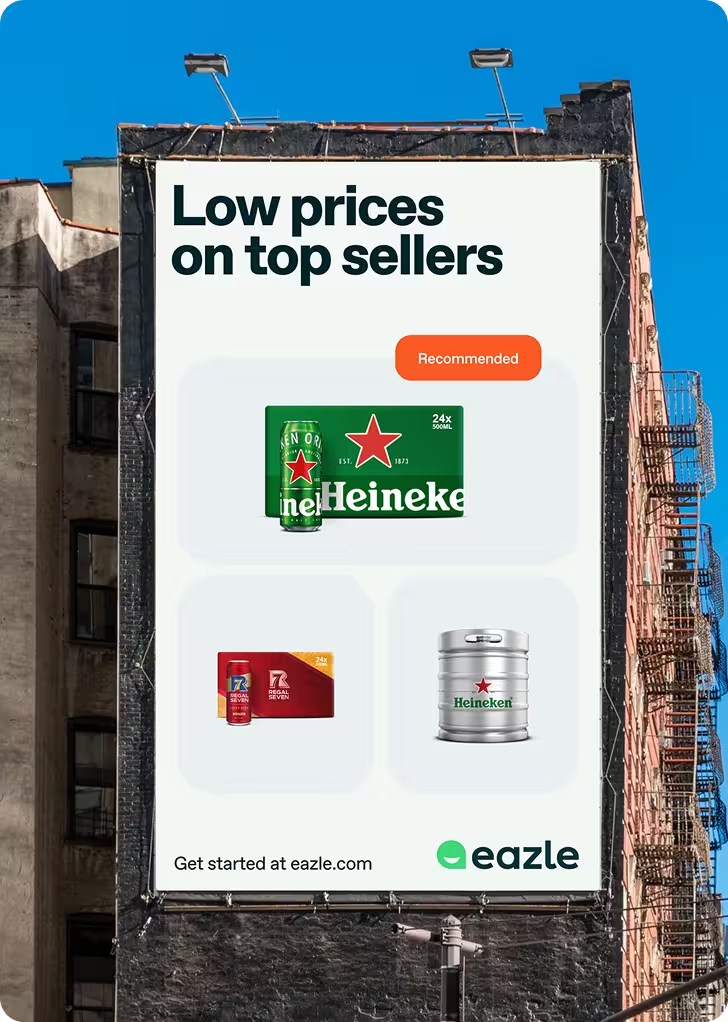
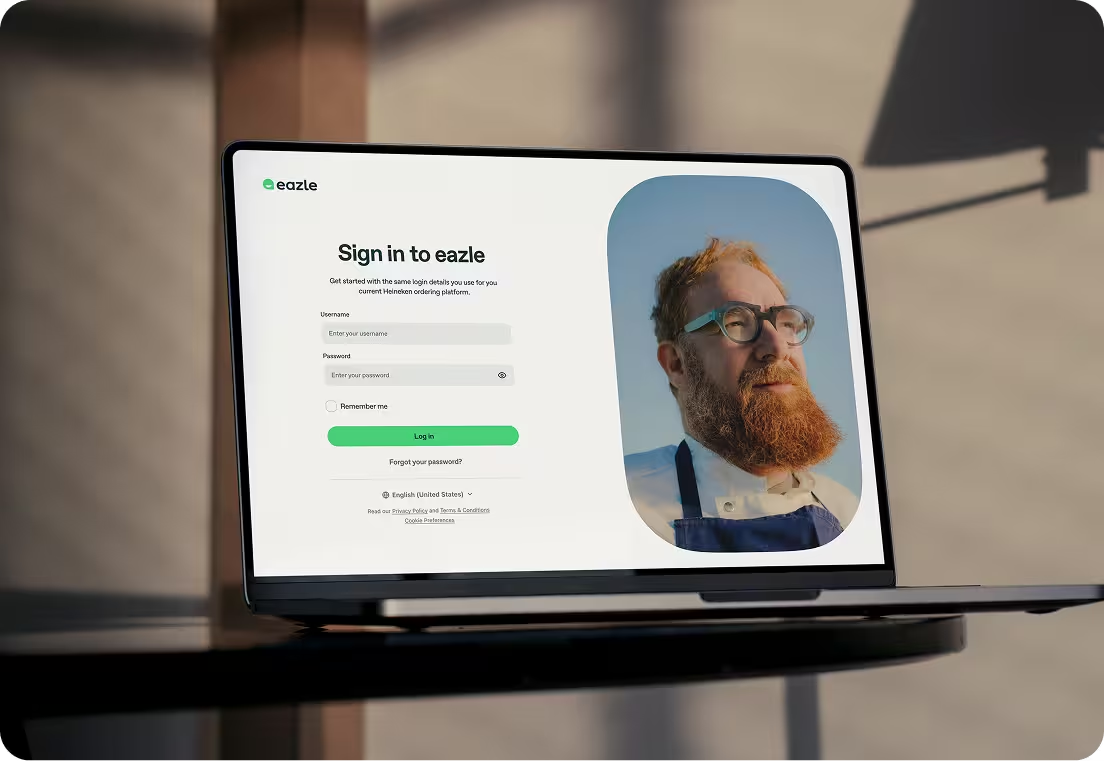
At Heineken I led the team that built Crate, the design system powering their global B2B platform for distributors and retailers across 40+ countries. A 6-person team supporting 235 active contributors, cutting delivery time by roughly 40%.
At Ahold Delhaize I directed the design system strategy that lets multiple European supermarket brands build on a shared digital platform while keeping their distinct identities intact. One system, six brands.
At Wolters Kluwer I set the direction for a motion design system built from scratch, bringing animation consistency and clarity to complex enterprise software for the first time. Deployed across 12 product lines.
In their words

Nicole Barilka
Senior Director D&T Digital Commerce
Heineken
Jesse brings clarity to complex environments, aligning design, product, and engineering with confidence. He builds strong foundations, raises the bar for quality, and leaves every organisation better than he found it.
Roel Gerrits
Head of CX
Heineken
Jesse stepped up across the board: sharp design system vision, onboarding documentation that stuck, support for peers when it counted, and creative workarounds when the obvious path was blocked.

Luna Borgo
Senior Designer, Design Systems
Heineken
Jesse set the standard for how I want to work. Calm, curious, invested in people. He built something at Heineken that was high-performing and genuinely fun. That combination is harder than it sounds.

Victoria Tomzik
Front-end Engineer, Design Systems
Heineken
Jesse's mature approach to leadership enabled me to collaborate with designers in an environment built on mutual trust, respect and support. His engagement and empathy made working with him a true pleasure.